Case Study 2: Contemporary Architecture in The Gap
Designing for The Gap's Unique Landscape
The Gap offers some of Brisbane's mostappealing residential settings, with its elevated positions providing sweeping views across the city and surrounding bushland. For this project, the site presented both opportunities and constraints that would shape every design decision. The clients wanted to remain on the property during construction, which immediately influenced our approach to siting the new dwelling. We explored multiple locations across the property, ultimately selecting a position that would maximize northern light, capture the best views, and provide acoustic buffering from nearby roads.
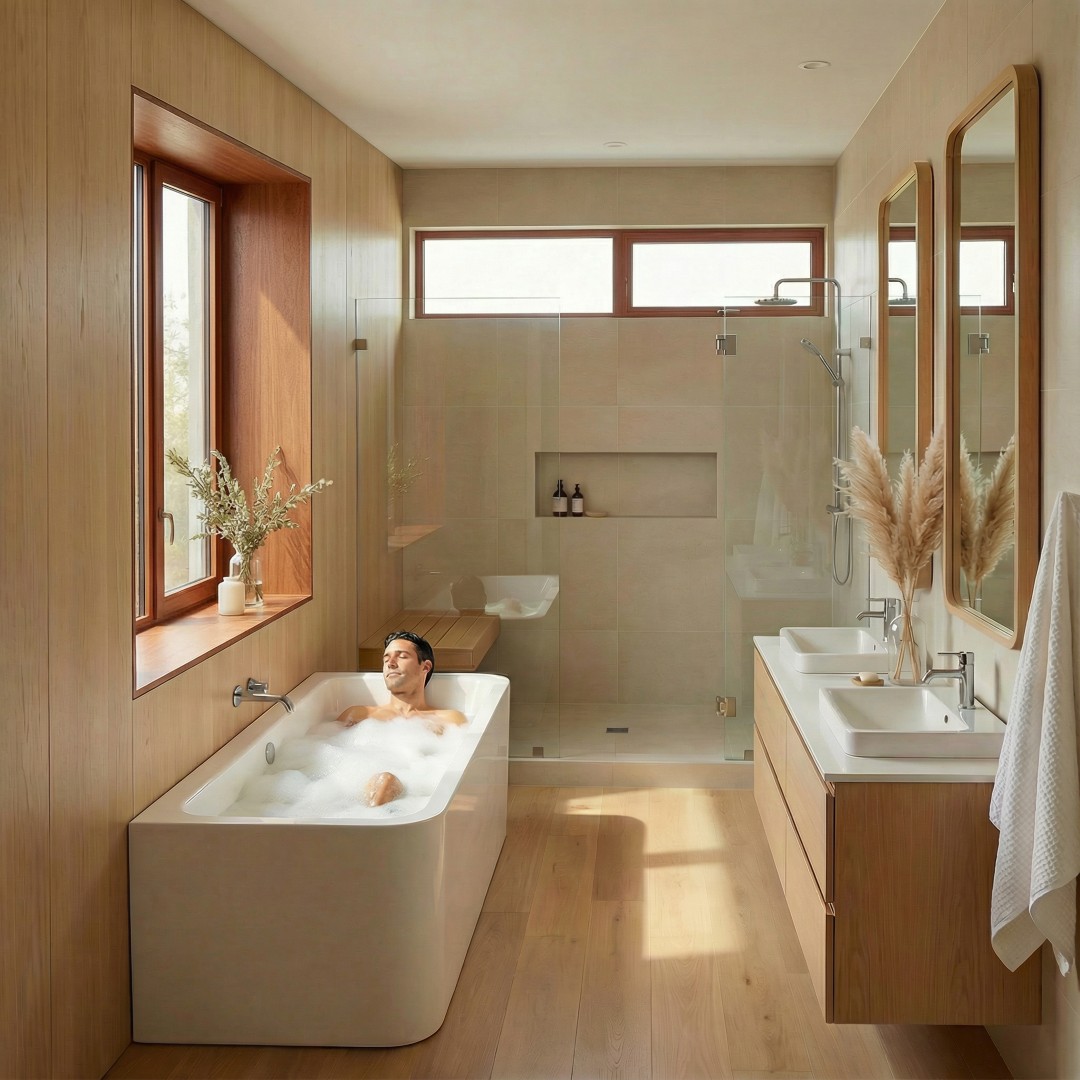
The brief calledf or a compact home, designed to accommodate two bedrooms, two bathrooms including an ensuite with a bath, a dedicated office space, and an open-plan living area with double volume ceilings, anchored by a kitchen large enough to satisfy serious home cooks. From our earliest conversations, it became clear that this wasn't simply about creating functional spaces—it was about crafting a home that would bring the landscape inside through carefully considered glazing and spatial relationships.
A Contemporary Aesthetic That Celebrates Honest Materials
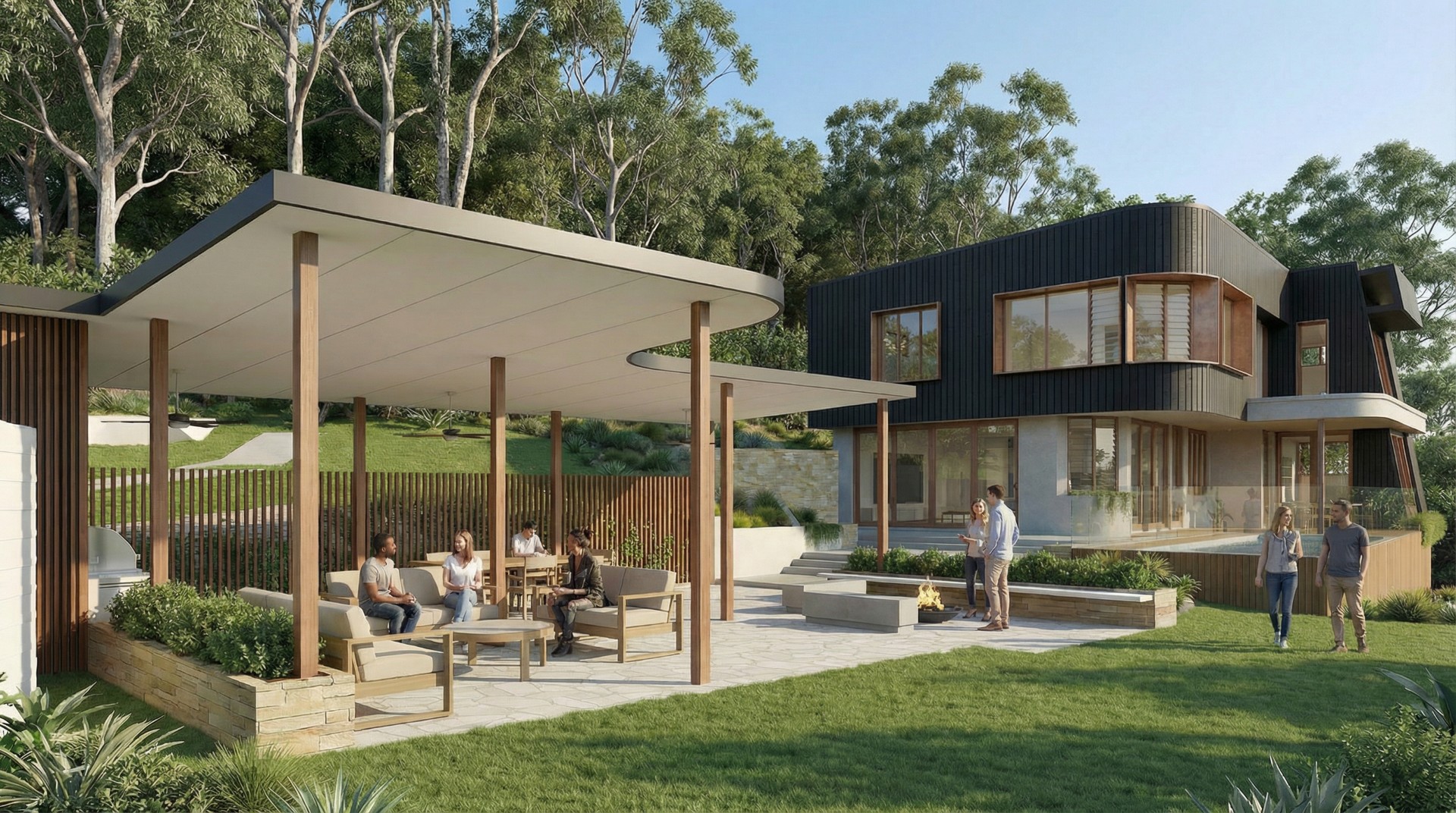
The architectural language for this Gap residence draws from refined contemporary design principles, with a warmth and sophistication that makes it unmistakably residential. The clients expressed astrong preference for materials that age gracefully and require minimal upkeep. They specifically requested a design with minimal ornamentation and detailing that might collect dust or require constant maintenance, a pragmatic approach that aligned perfectly with the honest expression of materials we were proposing.
Large format glazing opens the interiorto carefully framed views. We used drone photography during the design phase to identify sight lines that might otherwise be missed from ground level, discovering view corridors that now influence the placement of living spaces and the orientation of major window openings. The interplay between solid and void, between the protective timber screen and transparent glass, creates a dynamic elevation that shifts in appearance throughout the day as light conditions change.
.png)
SpatialPlanning That Prioritizes Connection
Inside, the home is organized around a central open-plan living area that serves as the heart of the dwelling. We specified a double volume ceiling for this space, allowing it to feel significantly larger than its actual footprint while creating dramatic height that draws the eye upward.The kitchen occupies a prominent position within this open zone, sized generously to accommodate serious cooking while maintaining visual connection to living anddining areas. A butler's pantry provides essential storage and preparation space, keeping working areas organized while preserving the clean lines of the main kitchen.
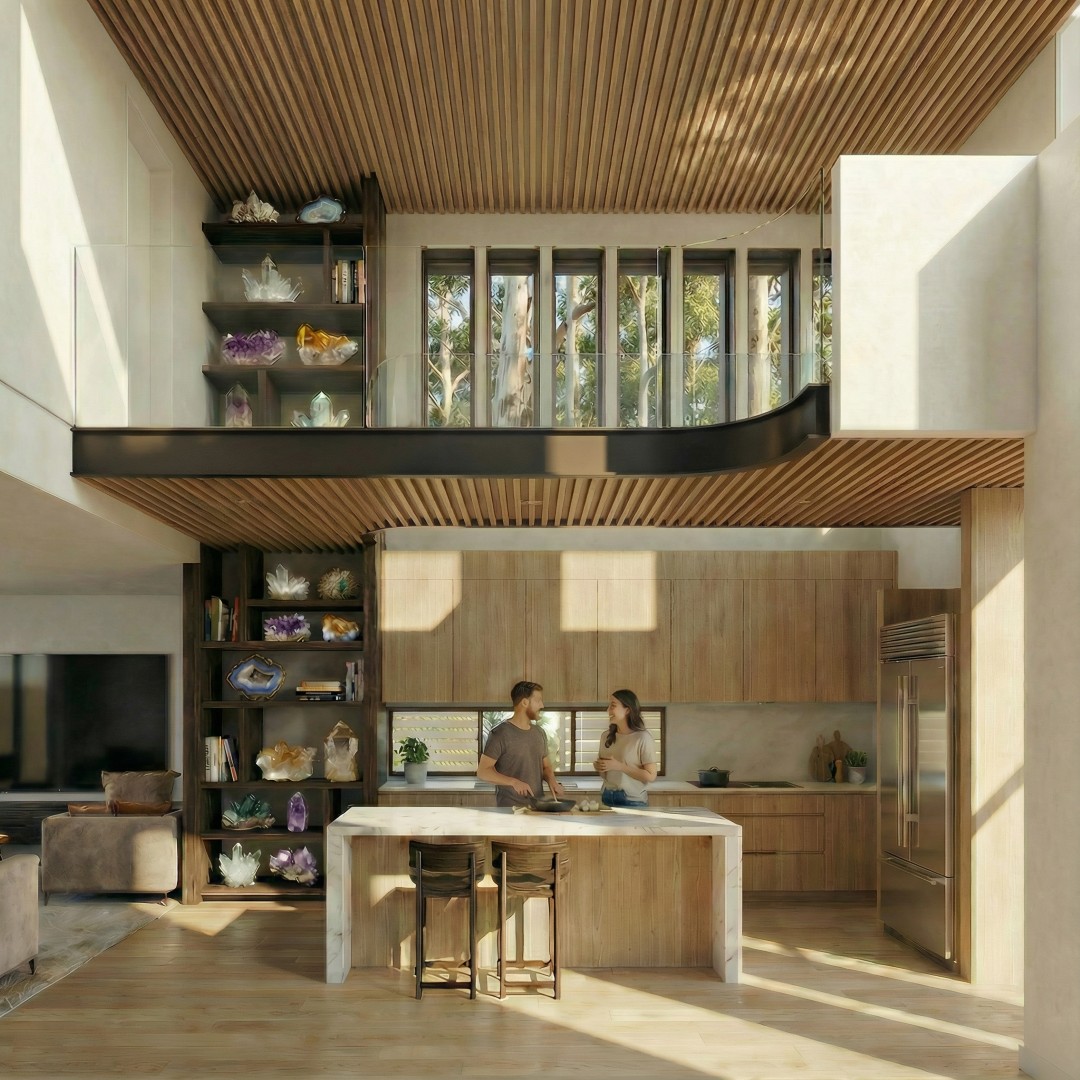
The flooring strategy employs warm timberthroughout the livingspaces, selected not just for its aesthetic qualities but for the acousticand thermal properties it brings. Where a timber floor structure was proposed,we explored the use of Hebel panels as infill to provide additional mass andsolidity underfoot, a detail that eliminates the hollow feeling sometimes associated with suspended timber floors and contributes to the home's overall sense of permanence and quality.
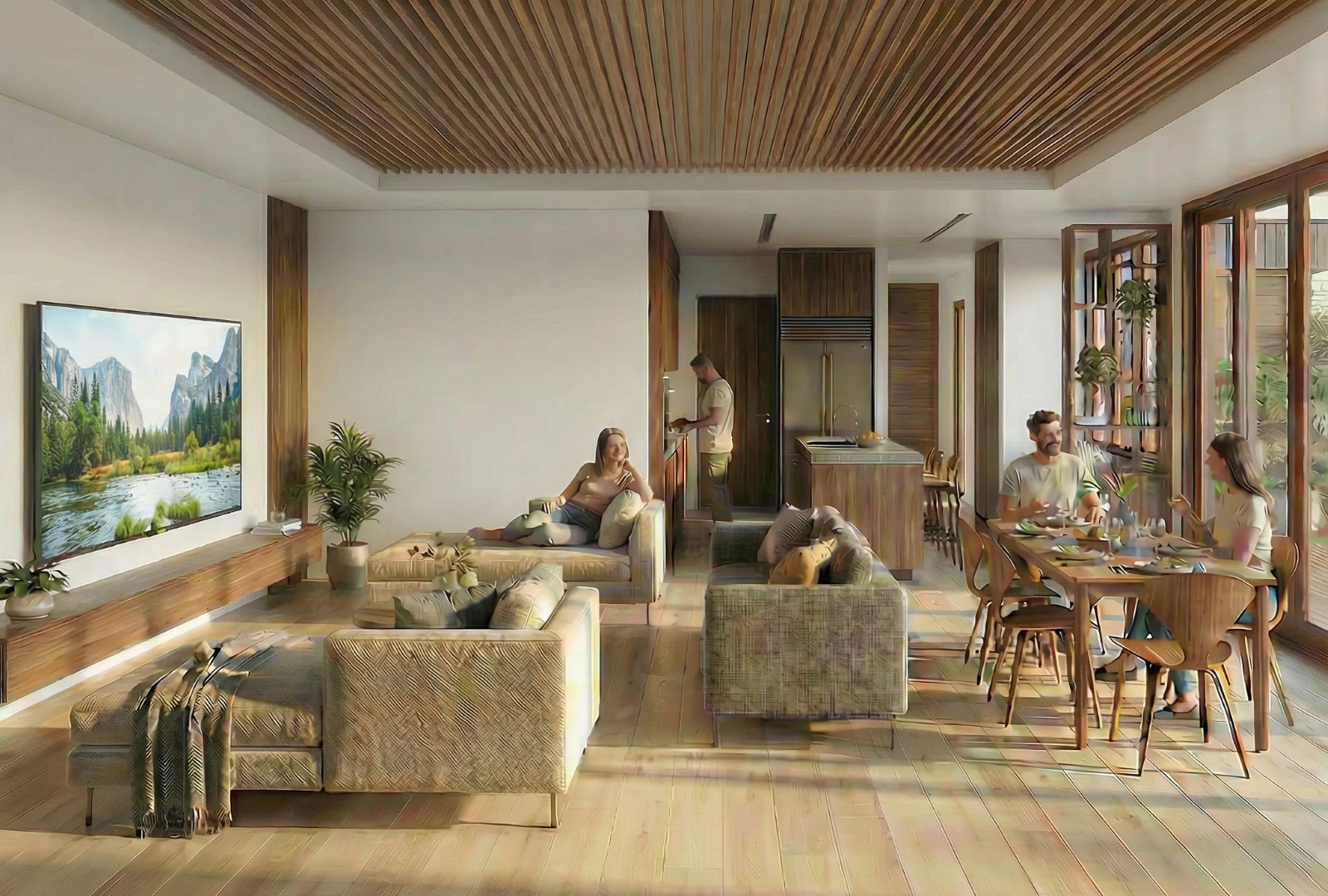
Ceiling heights step between 2.7 meters in bedroom wings and the double volume in living areas, creating spatial hierarchy that helps define different zones within the compact plan. This variation in volume prevents the home from feeling monotonous while maintainingthe open, connected quality the clients desired.
Bringing Brisbane's Climate and Light Inside
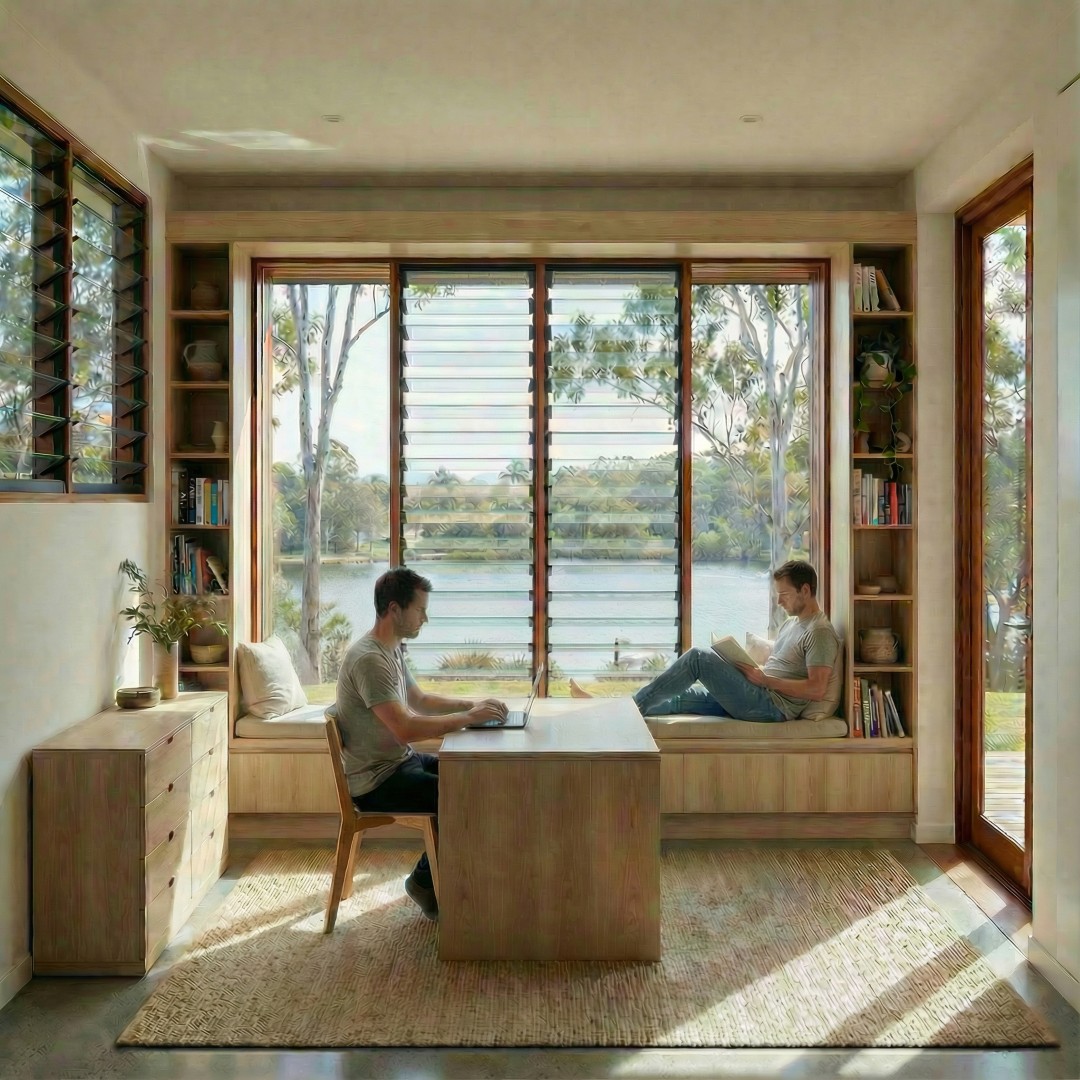
Perhaps the defining characteristic of this Gap residence is its deliberate engagement with the subtropical Brisbane climate and the quality of natural light available on site. The glazing strategy is anything but arbitrary—every window is positioned to either capturea specific view, admit northern light, or facilitate cross-ventilation. We explored various window operating types with the clients, ultimately selecting systemsthat maximize the view area while providing excellent weather sealing and ease of operation.
The northern orientation of principal living spaces allows deep penetration of winter sun while the generous eaves and timber battens provide essential shading during Brisbane's intense summer months. This passive design approach, combined with solar power infrastructure, positions the home to operate with minimal energy consumption—a sustainability outcome that emerged naturally from good solar orientation and thoughtful material selection rather than from applied technology alone.
The Collaborative Approach to Residential Architecture
Throughout this project, we've maintained close collaboration with the clients and extended the conversation to include builders and consultants early in the design process. This approach—which has become a hallmark of Quorum Studios'practice—ensures that buildability, budget considerations, and technical requirements inform design decisions from the outset rather than emerging as obstacles during documentation or construction.
For this Gap residence, we explored early builder collaboration specifically to establish preliminary costing and potentially secure the construction partner early in the process. This kind of integrated project delivery, where the architectf acilitates conversation between all parties, typically results in better outcomes for clients, tighter budget control, and fewer surprises during construction.
Architecture That Suits How People Want to Live
The question we always ask clients—"How do you want to live?"—shaped every decision for this project. The clients' preference to remain on site during construction influenced where and how we positioned thenew dwelling. Their passion for cooking determined kitchen dimensions and the inclusion of a butler's pantry. Their desire for low-maintenance design drove material selection toward durable,honest materials that require minimal upkeep. And their appreciation for views and natural lightled to the generous glazing strategy that defines the home's character.
This is residential architecture that emerges from genuine understanding of client needs rather than from imposed aesthetic preferences. The contemporary vocabulary isn't applied as style but develops logically from the client’s stated preferences for minimal ornamentation, durable materials, and spaces that are easy to maintain. The result is a home that looks distinctly contemporary while being deeply rooted in the specific requirements of these clients and this site.
Contemporary Residential Architecture in Brisbane's Inner Suburbs
The Gap continues to attract homeowners who appreciate its proximity to Brisbane's CBD combined with the leafy, established character of the suburb. As one of Brisbane's premium residential areas, it demands architecture that respects neighbourhood context while pushing forward with contemporary design thinking. This project demonstrates how new residential architecture can contribute positively to The Gap's built environment—bringing fresh ideas about materials, spatial planning,and environmental performance while respecting the established character that makes the suburb desirable.
For architects practicing in Brisbane's inner suburbs, projects like this represent an opportunity to demonstrate that contemporary design needn't mean disconnection from place or context. The industrial aesthetic, the honest expression of materials, the generous connection to landscape—these design moves respond directly to Brisbane's subtropical climate, to the site's specific conditions, and to contemporary expectations around how residential architecture should perform environmentally and experientially.
Creating Homes That Matter
At Quorum Studios, we approach every residential project—whether new builds, character home renovations, or Queenslander additions—with the same fundamental commitment to understanding how our clients want to live and translating that understanding into built form. This Gap residence exemplifies that approach: a thoughtfully considered home that balances aesthetic ambition with practical requirements,that engages meaningfully with its site and climate, and that will serve its owners well for decades to come.
The contemporary aesthetic, the dramatic use of lightand volume, the careful material selection—these aren't arbitrary design decisions but direct responses to the brief, the site, and the clients'vision for their home. This is architecture that matters because it improves how people live, because it engages thoughtfully with place, and because it demonstrates the value that skilled residential architects bring to the process of creating homes.

Ready to begin your home design journey?
Request a Consultation