Beyond Aesthetics: How Neuro-Architecture is Reshaping Wellness in the Built Environment
In 2026, the definition of a well-designed building has evolved significantly. We are moving beyond mere aesthetics and functional spatial planning to prioritise a deeper understanding of human biology and psychology: Neuro-Architecture. This field explores the profound impact the built environment has on our mental health, emotional state, and overall well-being. This shift towards a truly human-centric approach is reshaping priorities for both corporate and residential clients, moving beyond trendiness towards a fundamental focus on long-term health, productivity, and longevity.
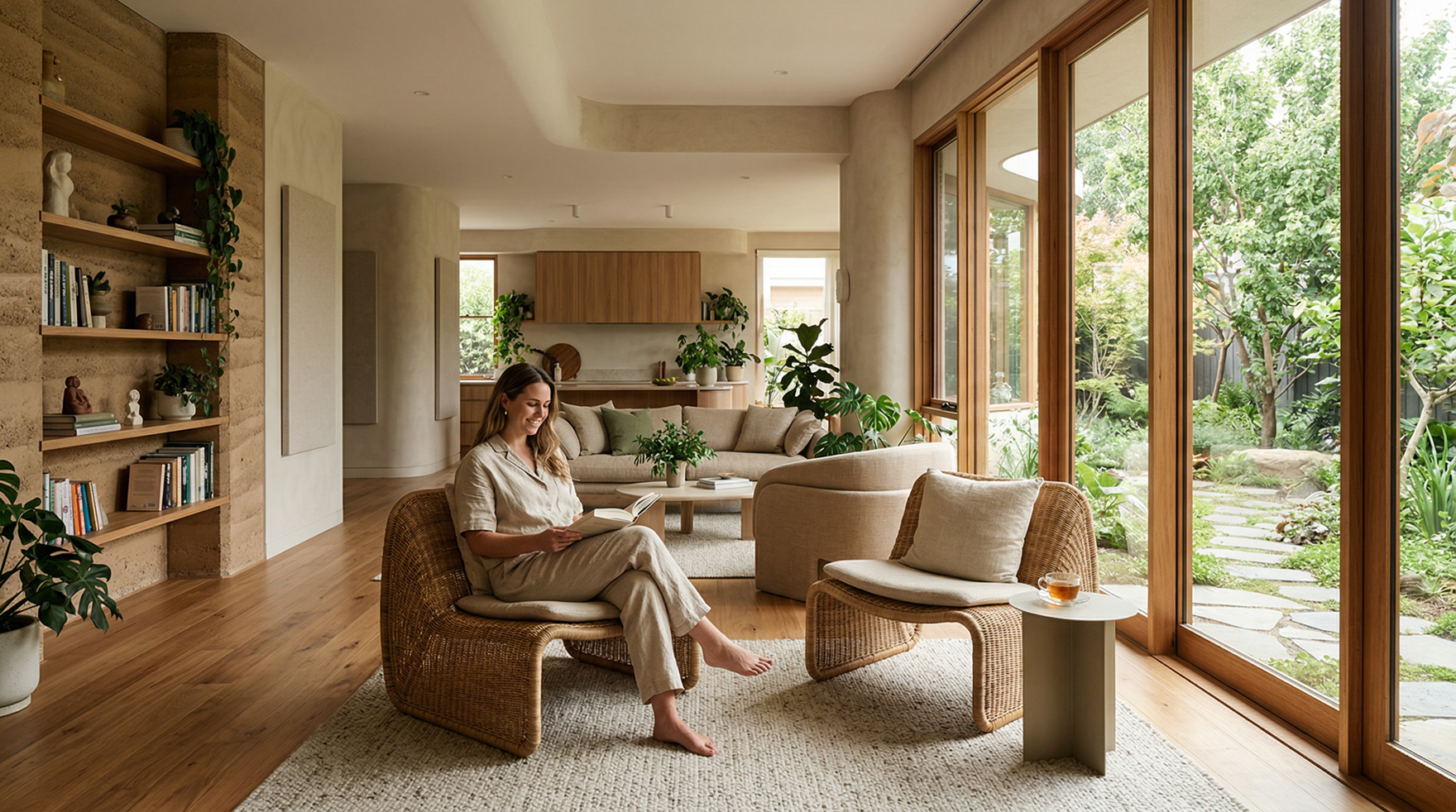
So, what does this look like in practice? We are seeing several key strategies emerge that transform spaces from passive backdrops into active contributors to wellness:
1. Harnessing Light: Circadian Lighting Systems
Light is one of the most powerful environmental cues regulating our circadian rhythms – the internal biological clocks that govern sleep-wake cycles, hormone production, and core physiological functions. Traditional static lighting often disrupts these natural cycles, leading to fatigue, reduced alertness, and potentially contributing to longer-term health issues.
Neuro-architecture champions the integration of sophisticated circadian lighting systems. These systems are designed to mimic the dynamic changes in natural daylight throughout the day. In residential settings, for instance, especially in bedrooms and living areas, this personalised lighting can significantly improve sleep quality and mood regulation. Research in photobiology directly supports this: exposure to appropriate light wavelengths at specific times optimises hormonal balance (e.g., suppressing melatonin during the day, promoting its release at night) and reinforces healthy sleep patterns. For clients, this translates directly to increased productivity during the day and improved regenerative rest, boosting overall health span and performance.
2. Crafting Soundscapes: Acoustic Optimization for Focus and Recovery
In many modern environments, noise is a constant, ambient stressor. In open-plan offices, it causes frequent cognitive disruption, hinders concentration, and increases cognitive load. In residential settings, consistent environmental noise is linked to elevated stress levels, sleep disturbance, and cardiovascular issues. Acoustic comfort is no longer a luxury; it's essential for cognitive and emotional well-being.
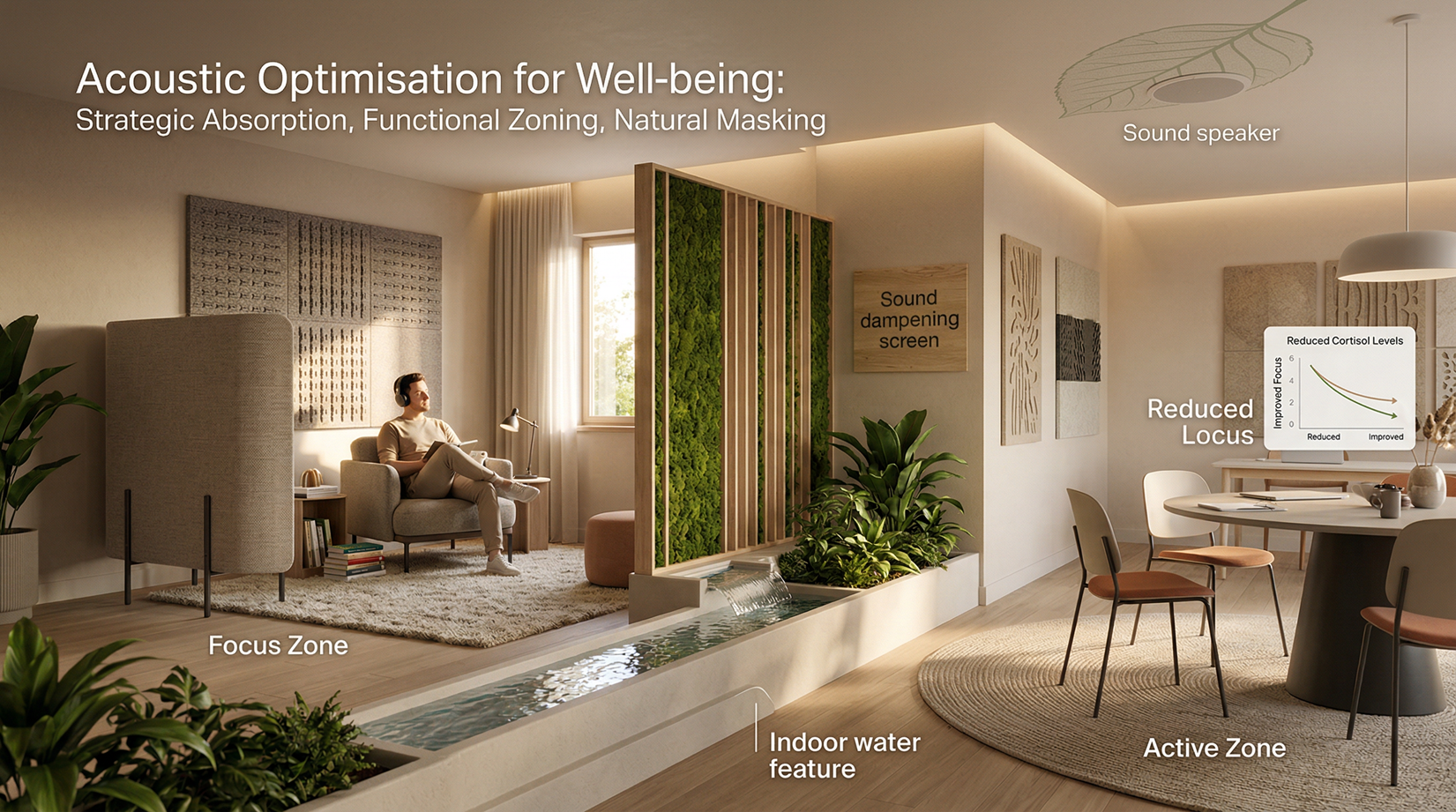
We are moving away from basic soundproofing towards sophisticated acoustic optimisation. This involves a strategic combination of:
- Sound Absorption: Utilising materials, panels, and furniture designed to absorb unwanted echo and reverberation.
- Acoustic Zoning: Creating dedicated quiet zones for focused work or relaxation and active zones for collaboration, separated by sound-dampening elements rather than just physical walls.
- Strategic Noise Masking: Implementing subtle, natural soundscapes (like flowing water or rustling leaves) that effectively 'mask' disruptive noises, reducing their cognitive impact.
This optimisation reduces cognitive strain, lowers cortisol (the stress hormone) levels, and facilitates quicker recovery from focused tasks or stressful interactions. It’s about managing the acoustic landscape to align with the intended psychological state for that space – fostering deep concentration in a workspace or restorative tranquillity in a home.
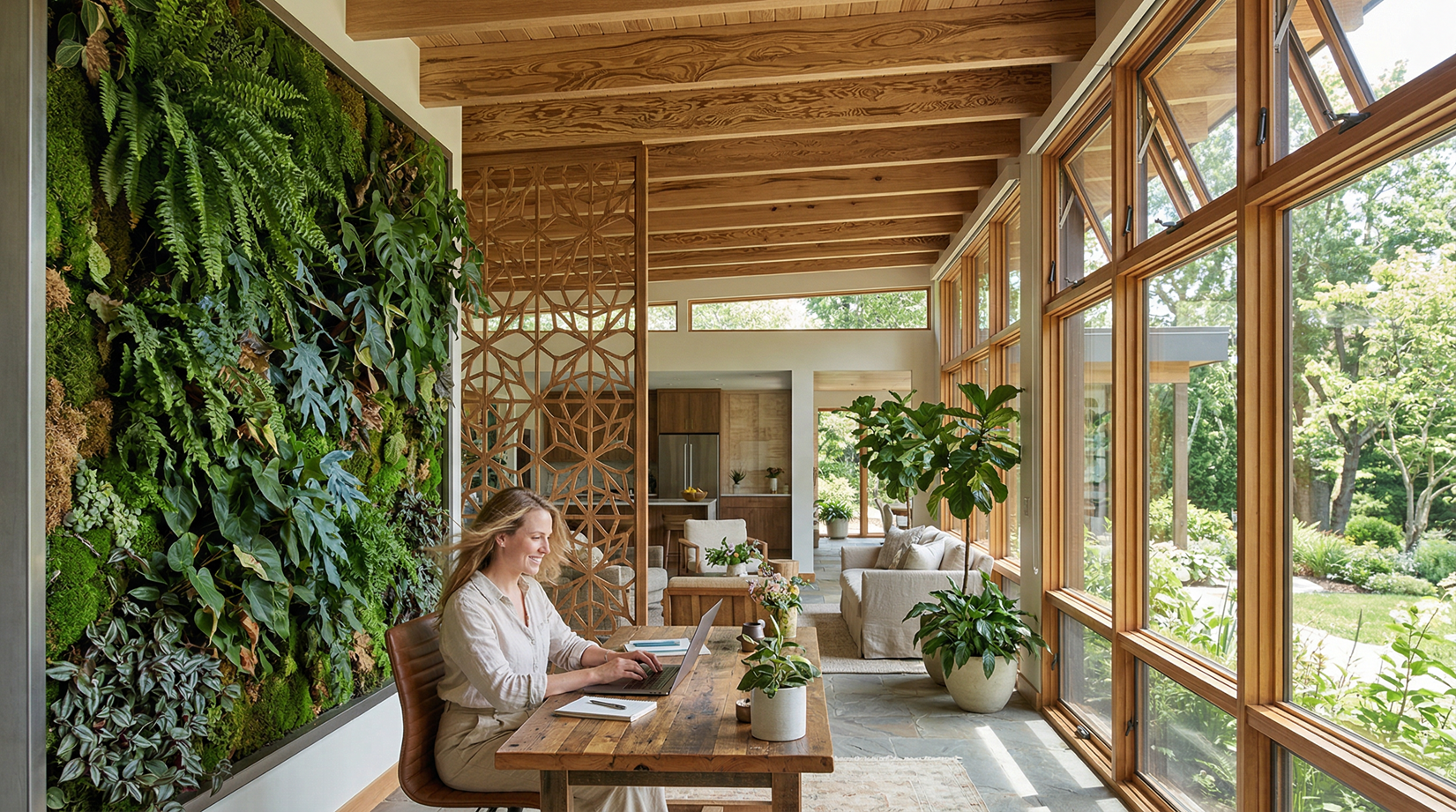
3. Living Spaces: Deepening Biophilic Integration
While incorporating plants is a popular wellness trend, true Biophilic Integration goes far deeper, tapping into our innate physiological and psychological affinity for nature. It’s not just about aesthetics; it’s about creating environments that provide genuine restorative experiences.
This deep integration moves beyond scattered houseplants and embraces elements like:
- Living Walls: Large-scale vertical gardens integrated into building structures. These not only improve air quality and provide visual connections to nature but also act as complex sensory stimulators with varied textures and scents.
- Natural Airflow and Ventilation: Designing for passive ventilation systems that utilise natural air movement instead of relying solely on artificial climate control. This connects occupants with external environment dynamics and improves perceived fresh air quality, positively impacting mood and cognitive function.
- Complexity and Order: Incorporating complex, fractal patterns found in nature (e.g., wood grain, snowflake patterns) in architectural elements or design details. Studies suggest that viewing these patterns can reduce stress and improve focus.
By embedding these varied natural elements strategically, neuro-architecture creates environments that subtly but consistently lower stress, reduce blood pressure, and enhance cognitive performance. Biophilia isn't about simulating nature; it's about reconnecting us to it in meaningful, impactful ways within our modern, constructed world.
Conclusion
The integration of neuro-architecture principles is not just another design philosophy; it is a critical recognition of the inextricable link between the built environment and human biology. For residential clients focused on creating sanctuaries that truly restore health, prioritising elements like circadian lighting, optimised acoustics, and deep biophilia is becoming a non-negotiable standard. By designing spaces that work in harmony with our neurological and physiological needs, we aren't just building structures—we are cultivating well-being.

Ready to begin your home design journey?
Request a Consultation